Japanese Perspectives on the Importance of Bathroom Cleanliness and Mindfulness
- ecoshinenyccleanin
- 4 days ago
- 3 min read

Cleanliness in the bathroom is more than just a matter of hygiene in Japan. It reflects a deep cultural value tied to respect, mindfulness, and harmony with one’s environment. Understanding how Japanese people view bathroom cleanliness reveals much about their approach to daily life and the importance they place on being present and in pace with their surroundings.
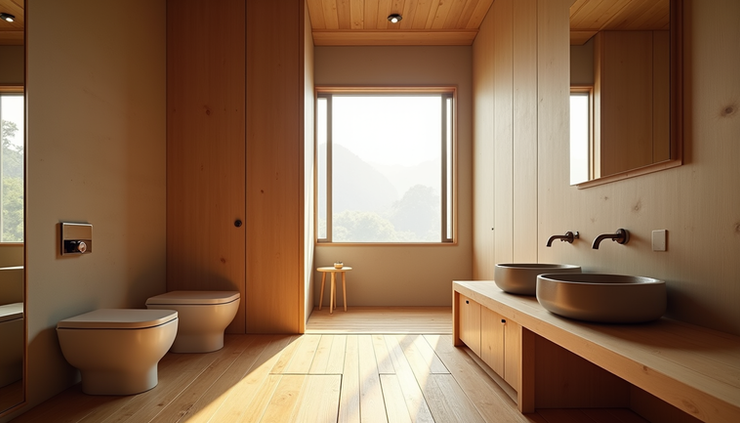
The Cultural Roots of Cleanliness in Japan
Cleanliness has long been a cornerstone of Japanese culture, influenced by Shinto beliefs that emphasize purity and the removal of impurities. This cultural foundation extends into every part of life, including the bathroom. In Japan, the bathroom is not just a functional space but a place for cleansing both body and mind.
Shinto and Purity: Ritual purification practices in Shinto involve washing and cleansing to remove spiritual impurities. This idea translates into everyday habits, where physical cleanliness is linked to spiritual and mental clarity.
Respect for Space: Japanese homes often have separate areas for bathing and toileting, highlighting the importance of keeping these spaces clean and distinct.
Minimalism and Order: The Japanese aesthetic values simplicity and order, which naturally supports maintaining a clean and uncluttered bathroom environment.
How Cleanliness Reflects Mindfulness
In Japan, cleaning the bathroom is not a chore to rush through but a mindful practice. It encourages being fully present and attentive to the task, which can have calming and grounding effects.
Cleaning as Meditation: Many Japanese people approach cleaning with a meditative mindset, focusing on each movement and detail. This practice helps reduce stress and promotes mental clarity.
Daily Rituals: Regular cleaning routines are common, often done at specific times of the day to maintain a consistent pace and rhythm in life.
Connection to Nature: Using natural cleaning agents like vinegar or baking soda aligns with the Japanese respect for nature and sustainability.
Practical Examples of Bathroom Cleanliness in Japan
Japanese bathrooms often showcase practical features that support cleanliness and ease of maintenance:
Washlet Toilets: These high-tech toilets include features like self-cleaning nozzles and heated seats, reducing the need for harsh chemicals and manual scrubbing.
Separate Bathing Area: The bathing area is typically separate from the toilet, with a space designed for washing before soaking in the tub, ensuring the water stays clean.
Drainage and Ventilation: Bathrooms are designed with efficient drainage and ventilation systems to prevent mold and mildew, common issues in humid climates.
The Role of Pace in Bathroom Habits
Being in pace means moving through daily activities with intention and calm. In Japan, this concept is closely tied to bathroom habits.
Slow Bathing Rituals: Taking time to soak in a hot bath is a cherished practice, allowing for relaxation and reflection.
Cleaning with Care: Rather than rushing, cleaning is done carefully and methodically, reinforcing a sense of order and control.
Respect for Others: Keeping the bathroom clean is also about consideration for family members or guests, reflecting social harmony.
Benefits of Embracing Japanese Bathroom Cleanliness and Mindfulness
Adopting some of these Japanese perspectives can improve both physical and mental well-being:
Improved Hygiene: Regular, mindful cleaning reduces germs and creates a healthier environment.
Stress Reduction: Treating cleaning as a form of meditation can lower anxiety and improve mood.
Enhanced Home Atmosphere: A clean, orderly bathroom contributes to a sense of peace and comfort in the home.
Sustainable Practices: Using natural cleaning methods supports environmental health.
Tips for Incorporating Japanese Bathroom Cleanliness and Mindfulness
If you want to bring some of these ideas into your own bathroom routine, consider the following:
Set a regular cleaning schedule and stick to it.
Use natural cleaning products to protect your health and the environment.
Approach cleaning as a mindful activity, focusing on the sensations and movements involved.
Design your bathroom space to separate wet and dry areas if possible.
Take time to enjoy your bath or shower, making it a moment of relaxation rather than a rush.
By embracing these practices, you can create a bathroom environment that supports cleanliness, mindfulness, and a balanced pace of life.

Comments